Training · Padel and tennis
Padel and tennis training in Phuket
Your coach builds the legs, trunk, shoulders and forearms your game asks for, around the matches you already play.
For club players, beginners, and anyone whose elbow, shoulder or knee complains after a match.
Opens WhatsApp with a message ready to send.
What the research says
Most padel injuries are tendons and muscles
Padel is growing fast, and so are padel injuries. Most of them are the kind training can help with.
3per 1,000 h
injuries per 1,000 hours of padel training, and 8 per 1,000 matches, across eight studies.1
40 to 95%
of players had had a padel injury. The range was wide between studies.1
2/3
fewer sports injuries with strength training, in pooled trials across sports. Stretching showed no effect.2
The elbow was the most injured area, then the knee, shoulder and lower back.1 That is where we start.
How we train
Train the player, not just the stroke
Padel and tennis mean short sprints, lunges and swings, again and again. In padel studies, players worked at about 70 to 80% of their maximum heart rate.3 Your program trains for that.
Assess the player
We start with your strength, mobility, balance and injury history, plus how often and how hard you play.
Strength where injuries happen
Grip, forearm and shoulder work for the elbow and shoulder. Leg and trunk strength for the knee and back. These were the most injured areas.1
Manage your playing load
In tennis players, more time on court, muscle fatigue and poor shoulder blade control were among the risk factors for arm injuries.4 We plan training around your matches.
Physios on the same team
If something flares, a physio checks it under the same roof and your coach adjusts the plan that week.
Your program
Three blocks, each with a check
You keep playing throughout. Your coach sets the length of each block around your season and your results.
- 01
First
Build the base
Full-body strength, trunk control, and shoulder and forearm work. Balance and landing basics.
Move on whenYour strength baseline is set and your technique holds as the weight goes up.
- 02
Next
Power and speed
Jumps, lunges and quick changes of direction, plus medicine ball throws for rotation. Strength work continues.
Move on whenYou move well at speed, and your elbow, shoulder and knees feel fine the morning after.
- 03
Ongoing
Play and maintain
Shorter strength sessions around your playing week. Harder blocks in quiet weeks, lighter ones before a tournament.
RetestStrength and power, compared with your own last results, and the plan adjusted.
Between sessions
Let your body set the pace
How you feel the morning after playing or training tells your coach whether to push on or hold.
The morning after, check three things: your elbow and shoulder, your knees and back, and your energy.
Green: progress
No new pain, and normal muscle soreness gone within a day or two. Progress as planned.
Amber: hold
A niggle that settles within 24 hours, or you feel flat. Repeat the same load.
Red: step back
Pain that lasts into the next day, gets worse as you play, or changes how you swing or move. Tell your coach, and we book a physio check.
Start with a physio first if
- Pain stops you playing, or wakes you at night
- Elbow or shoulder pain has lasted more than a few weeks
- You have had a recent injury or operation
- A knee or ankle swells or gives way
The physio assessment is free, and your physio and coach then work on one plan. Our guides cover tendon pain, shoulder pain and ankle sprains.
Started later in life?
Padel is not only for the young
Client reviews
What our clients say
Rated 5.0 from 57 Google reviews
“Came to see K. Meaw after a thigh injury due to overuse by playing tennis, I wasn’t able to walk and she helped me recover in 3 sessions plus taught me about strengthening my muscles to do sports.”
GERARDO TAYGoogle review “Darren and his team are amongst the best you can find on the island. They are technically highly competent but also have great people skills. I’ve trained with Darren and Kate outdoors and indoors, it’s always been great experience as well as fun.”
Jerome DGoogle review “I came to Optimize with chronic back pain and absolutely no ability to train. I was first matched with Khun Meaw, a highly skilled rehabilitation trainer who helped me eliminate my back pain completely. … After that, I continued training with Kate for a full year.”
nesterzhzhotGoogle review “I love OptimiseFit! The coaches are always motivating you, pushing you but they always care for your health first! They help you to find the best way to do the exercises, so even if you are a beginner, you can follow the classes and feel very good! My favourite place to exercise!”
Salwa Aisha ToledoGoogle review “Actual, proper strength and fitness classes. These people know what they are doing. Which is nice.”
Tamsin NugentGoogle review “Super enjoyable, it’s a great approach to getting fitter and its FUN. Each month a new set of workouts is planned, measured and as the month goes on you can see your progress. Having tried different approaches at different gyms, I really like this one.”
Wayne SimmondsGoogle review
Questions
Padel and tennis questions
Will gym training make me slower?
Not if it is planned for your sport. Your program includes power and speed work, not only heavy lifting, and it fits around your matches.
Does stretching prevent injuries?
Not on its own. In pooled trials across sports, stretching showed no effect on injuries, while strength training cut them by about two thirds.2 We still use mobility work where you need more range.
I have tennis elbow. Can I still train?
Often yes, with the right load. Start with a free physio assessment. Our tendon pain guide explains how we treat it.
Is padel training different from tennis training?
The base is the same: legs, trunk, shoulders and forearms. Your coach adjusts the details to your sport and how often you play.
How often should I train?
Your coach plans it around your playing week. WHO guidelines recommend strength training on two or more days a week for adults.5
What happens at the free training consultation?
A coach goes through your goals, injury and physio history, sleep, stress and eating, and what has stopped you before. Then you agree where to begin. It’s free, with no obligation.
Coaches
Your coaches
Kate has a background in return to sport. Our physios work on the same plan if anything flares.
How integrated training works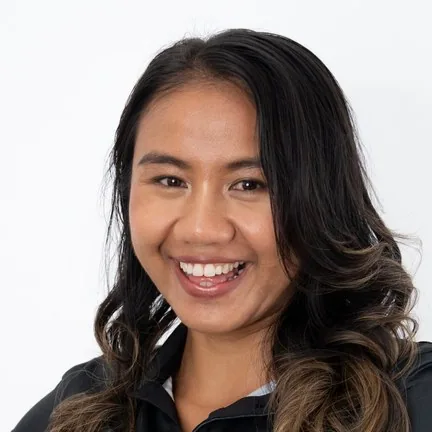
Kate
Senior Coach

Joonas
Coach
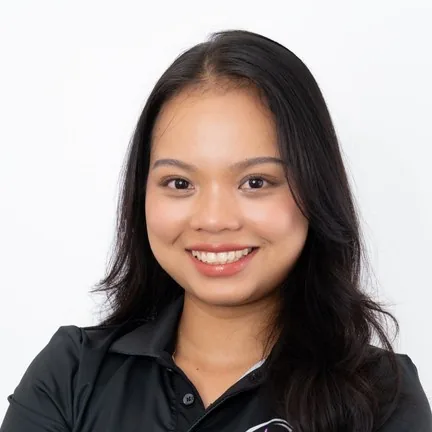
Katie
Client Experience and Junior Coach
Also on the team Beer, Coach
Next step
Train for the game you play
Message us on WhatsApp to book your free training consultation. Bring your playing week, and we plan around it.
Opens WhatsApp with a message ready to send.
In pain? Start with a free physio assessment
Questions first? WhatsApp +66 65 914 1604
Sources (5)
- Dahmen J, Emanuel KS, Fontanellas-Fes A, et al. Incidence, prevalence and nature of injuries in padel: a systematic review. BMJ Open Sport Exerc Med. 2023;9(2):e001607.
- Lauersen JB, Bertelsen DM, Andersen LB. The effectiveness of exercise interventions to prevent sports injuries: a systematic review and meta-analysis of randomised controlled trials. Br J Sports Med. 2014;48(11):871-877.
- Guijarro-Herencia J, Mainer-Pardos E, Gadea-Uribarri H, et al. Conditional performance factors in padel players: a mini review. Front Sports Act Living. 2023;5:1284063.
- Kekelekis A, Nikolaidis PT, Moore IS, et al. Risk factors for upper limb injury in tennis players: a systematic review. Int J Environ Res Public Health. 2020;17(8):2744.
- Bull FC, Al-Ansari SS, Biddle S, et al. World Health Organization 2020 guidelines on physical activity and sedentary behaviour. Br J Sports Med. 2020;54(24):1451-1462.
This page is general information based on the research listed here. It is not medical advice. Your coach will tailor the plan to you, and your doctor’s advice comes first. Last updated November 2026.